A Humanitarian Database Made a High-Value Target
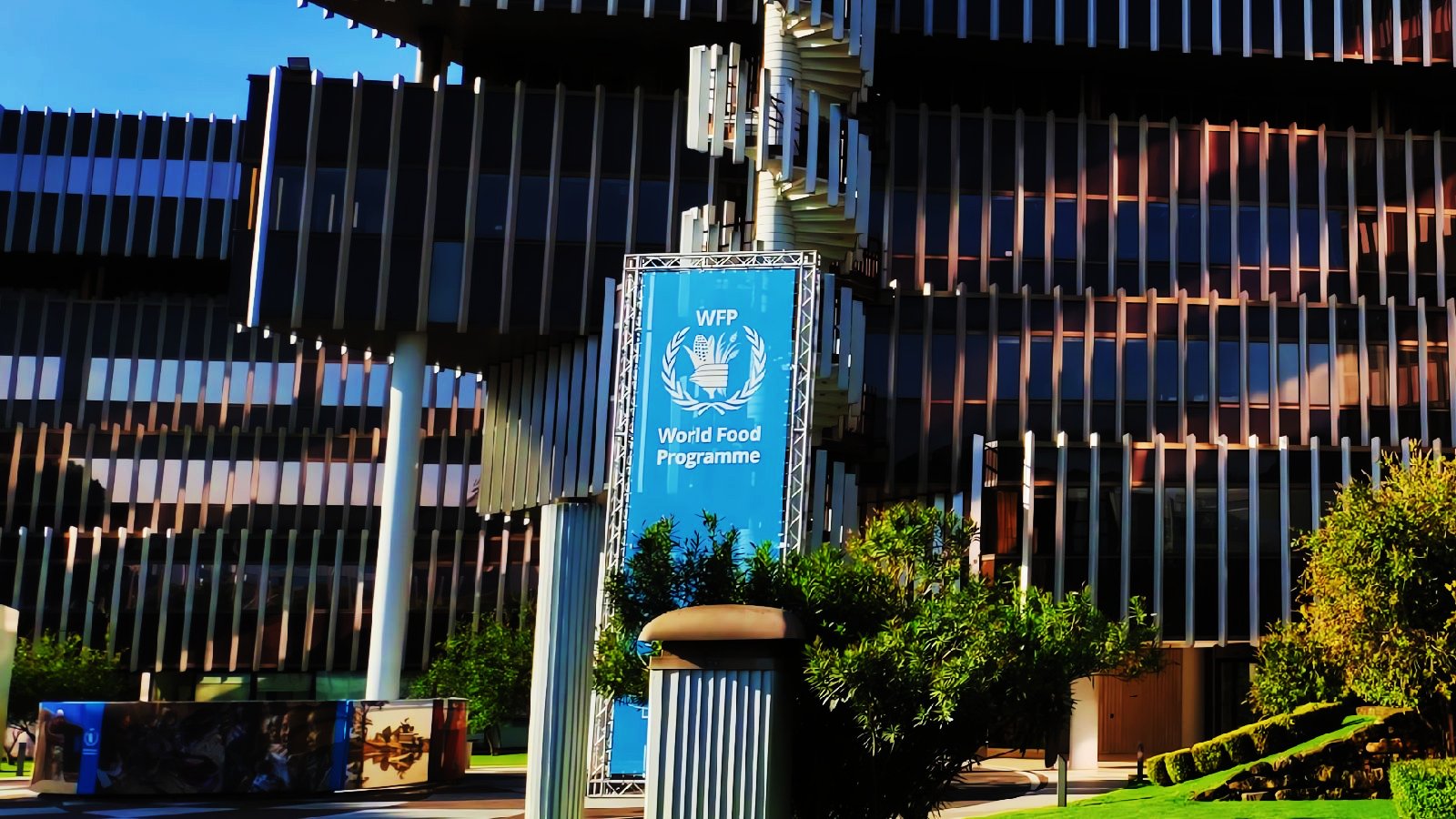
On May 14, attackers broke into the World Food Programme’s self-registration application (SRA) for Palestine - a platform used to enroll Gaza residents in food and cash assistance programs. The breach exposed names, ID numbers, phone numbers, and neighborhood-level location data belonging to people across the Gaza Strip. The WFP disclosed the incident through a Telegram message over the following weekend, a platform choice that reflects both the communication realities in Gaza and the urgency of warning an already-vulnerable population quickly.
The data profile stolen here is worth examining closely. It combines identity verification details with precise location records captured during registration - the kind of combination that enables not just phishing but physical targeting. In a conflict zone, location data tied to a named individual and a national ID number is not merely a privacy violation. It is a different category of risk.
What Was Taken, and From Whom
The WFP confirmed to The New Humanitarian that approximately 600,000 Palestinian households had their data compromised - a figure the organization had not released in its public Telegram disclosure. The stolen records include the types of fields typical in humanitarian registration: personal names, government-issued identification numbers, phone numbers, and geographic registration details such as neighborhood data. The WFP has not publicly named the attackers or attributed the breach to a specific threat actor.
The self-registration application was taken offline after the breach was discovered. As of a Tuesday update, the platform remained suspended while the WFP worked to harden its systems. The organization was explicit that the suspension would not affect assistance delivery. Food, cash transfers, and other programs would continue, and already-registered beneficiaries would not need to re-register or update their information.
That assurance matters operationally, but it does not neutralize the secondary risk the breach created.
Fraud Warnings Directed at Beneficiaries
Alongside the breach disclosure, the WFP warned Gaza beneficiaries to treat any contact claiming to represent the organization with suspicion - particularly requests for personal information or money. The instruction not to click suspicious links or open unexpected messages followed directly. This is standard post-breach guidance, but in this context it lands differently. The stolen dataset gives potential fraudsters enough detail to craft highly convincing impersonation attempts: they could reference a recipient’s neighborhood, use their real name, and cite their registration status - all harvested from the SRA.
The WFP, founded in 1961 and headquartered in Rome, is the largest humanitarian organization in the world. It operates across more than 120 countries and territories with a staff of over 20,000. Its logistics network - 5,000 trucks, 20 ships, and roughly 80 aircraft - constitutes the planet’s largest humanitarian supply chain. In 2024, it disbursed $2.82 billion in financial assistance and delivered approximately 2.5 million metric tons of food globally. An agency operating at this scale, collecting registration data from millions of people in active conflict zones, holds an unusual concentration of sensitive personal records about people with very few resources to protect themselves from fraud.
A Pattern Across UN Systems
This is not the first time a UN agency’s data systems have been breached, and the pattern across recent years is worth mapping directly. In August 2019, the UN’s Geneva offices suffered a cyberattack that the organization did not publicly disclose. The UN Environment Programme later exposed personally identifiable information belonging to over 100,000 employees through a misconfigured system. In 2024, an 8Base ransomware group attacked the UN Development Programme. That same year, attackers extracted approximately 42,000 records from a recruitment database belonging to the UN International Civil Aviation Organization (ICAO).
Each of those incidents involved different attack types, different data classes, and different UN bodies - but taken together, they describe an organization that collects data on a massive scale and has struggled to protect it consistently. The WFP breach is distinct because the affected population has almost no recourse. The individuals whose data was taken cannot freeze a credit file or change the neighborhood they registered from during an active conflict.
The investigation is ongoing. The WFP said it is continuously monitoring the situation but has not provided a timeline for when the SRA will be restored.
Why Humanitarian Platforms Attract Attackers
Registration systems used in conflict zones accumulate data that is difficult to find anywhere else: verified identity records for populations that may have limited or no presence in conventional databases. For attackers interested in surveillance, fraud, or intelligence, that scarcity has value. The WFP’s Gaza SRA was holding exactly this kind of data - a verified registry of households, tied to phone numbers usable for direct contact, and location details current as of registration.
The registration platform collected neighborhood data as part of its intake process. In the context of an active conflict, that detail is not administrative background - it is operationally significant information about where people are sheltering or were last confirmed to be. Whether the attackers had any interest in that dimension of the dataset is unknown. What is clear is that the breach reached systems containing it.
Security architecture for humanitarian platforms carries an inherent tension that most enterprise environments do not face. These systems need to be accessible enough for beneficiaries with limited connectivity and technical resources to use, while also protecting data about people who are already in danger. Tightening access controls or adding friction can directly reduce program reach in a population where every registered household represents a person waiting for food or cash.
What the WFP Has Said - and What Remains Unanswered
The WFP spokesperson was not available for comment when contacted for additional detail about the breach. The organization’s public disclosures, while substantive on operational continuity, have left several questions open: how the attackers gained initial access to the SRA, whether the data has been observed for sale or publication anywhere, what specific security improvements are being implemented during the platform’s suspension, and whether any other WFP systems beyond the Palestine SRA were affected.
The 600,000-household figure came from a statement shared with The New Humanitarian rather than the WFP’s own public disclosure. The gap between what was shared with a journalist and what appeared in the organization’s official Telegram post suggests the internal picture may be clearer than the public one.
Disclosure choices in breach incidents shape how affected individuals respond. A beneficiary who does not know the scale of the incident may be less alert to a sophisticated impersonation attempt than one who understands that their specific registration data - name, ID, phone, and neighborhood - is now in someone else’s hands. The WFP’s fraud warning was issued. How many of those 600,000 households received it, and in what form, is a different question entirely.
The SRA remained offline as of the organization’s last public update. No restoration date has been given.